Phone
+90 533 127 18 75
 Loading…


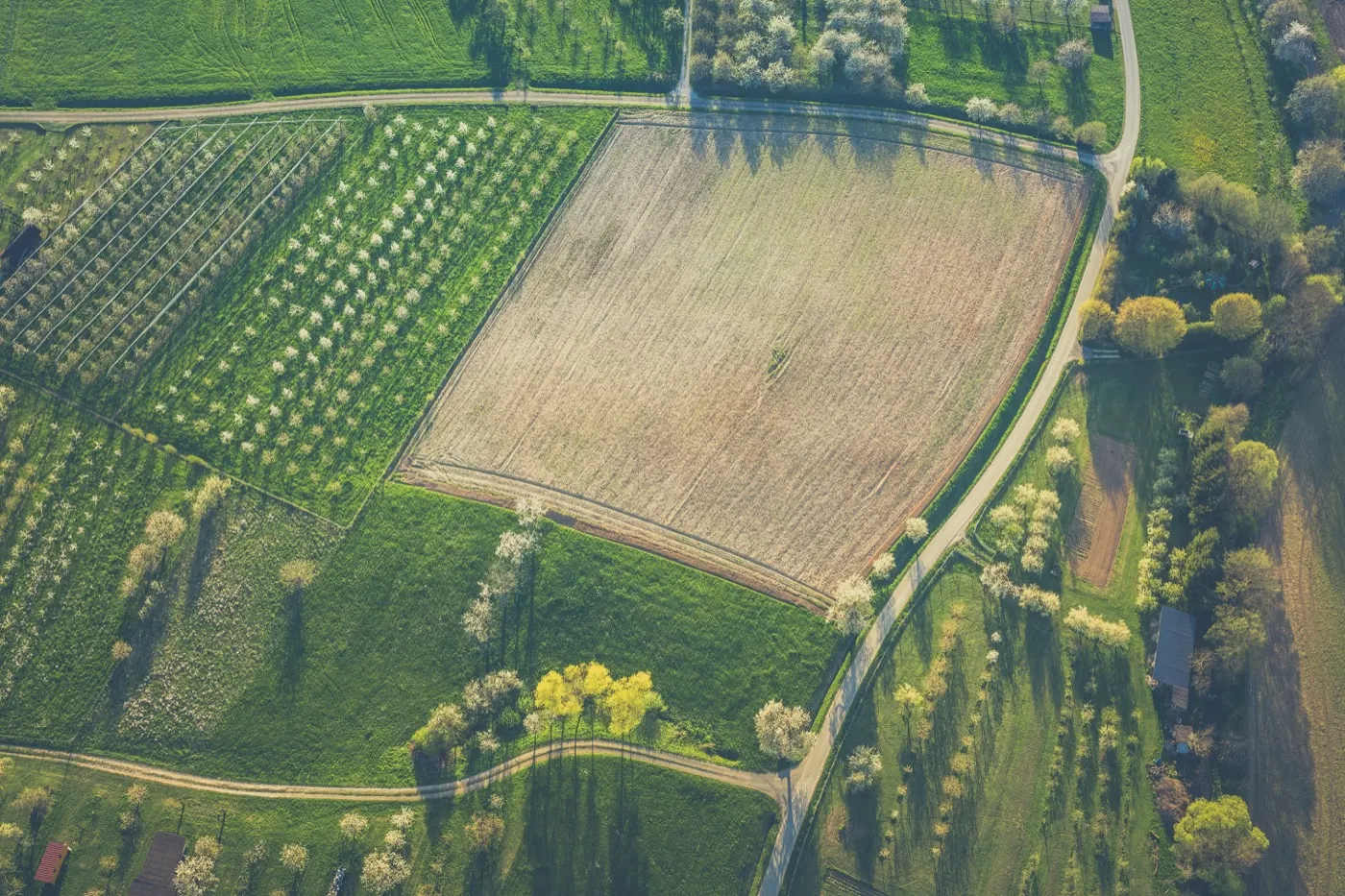

A productive orchard starts with healthy soil. We share practical knowledge on soil tillage and management and carry out the work with you in your orchard. The goal is soil that strengthens roots, holds water well and improves year after year.
A fruit tree lives in the same soil for many years. Soil is where roots breathe, water drains and nutrients are taken up. Tillage done at the wrong time or depth damages soil structure. Compaction increases, water pools and roots suffer. In species that dislike wet feet, such as cherry, this directly raises the risk of root rot.
Good soil management does the opposite. Soil organic matter builds up, water holding and drainage come into balance, and fertiliser use becomes more efficient. In the wet winters and heavy soils of Bursa and the Marmara region, the difference is even clearer.
The most common mistakes we see in the field are easy to name. Driving heavy machinery onto wet soil, tilling to the same depth every year until a plough pan forms, leaving the tree row bare and never replenishing organic matter. Each one looks small on its own. Repeated over several seasons, they wear the soil out, weaken the tree and cut yields despite fertiliser. The good news: the right changes in soil management often pay off without costly investment.
In established orchards we do not recommend deep or frequent tillage. Every pass that cuts shallow roots stresses the tree. Instead, we build a system that protects soil structure: cover crops between rows, mulching in the row and light surface work only where needed. Before planting, the opposite applies. Deep tillage, drainage and soil improvement are best done before the orchard goes in.
Investors planning a new orchard gain the most, because they can prepare the soil properly before planting. Growers who see waterlogging, weak growth or uneven yields in an existing orchard can also get quick improvements by reviewing their soil management. For corporate farms, we provide hands-on training for field teams and set up a standard way of working on soil tillage and management.
We plan soil management together with compost use, soil amendments and the nutrition programme, so every decision serves the orchard as a whole.